
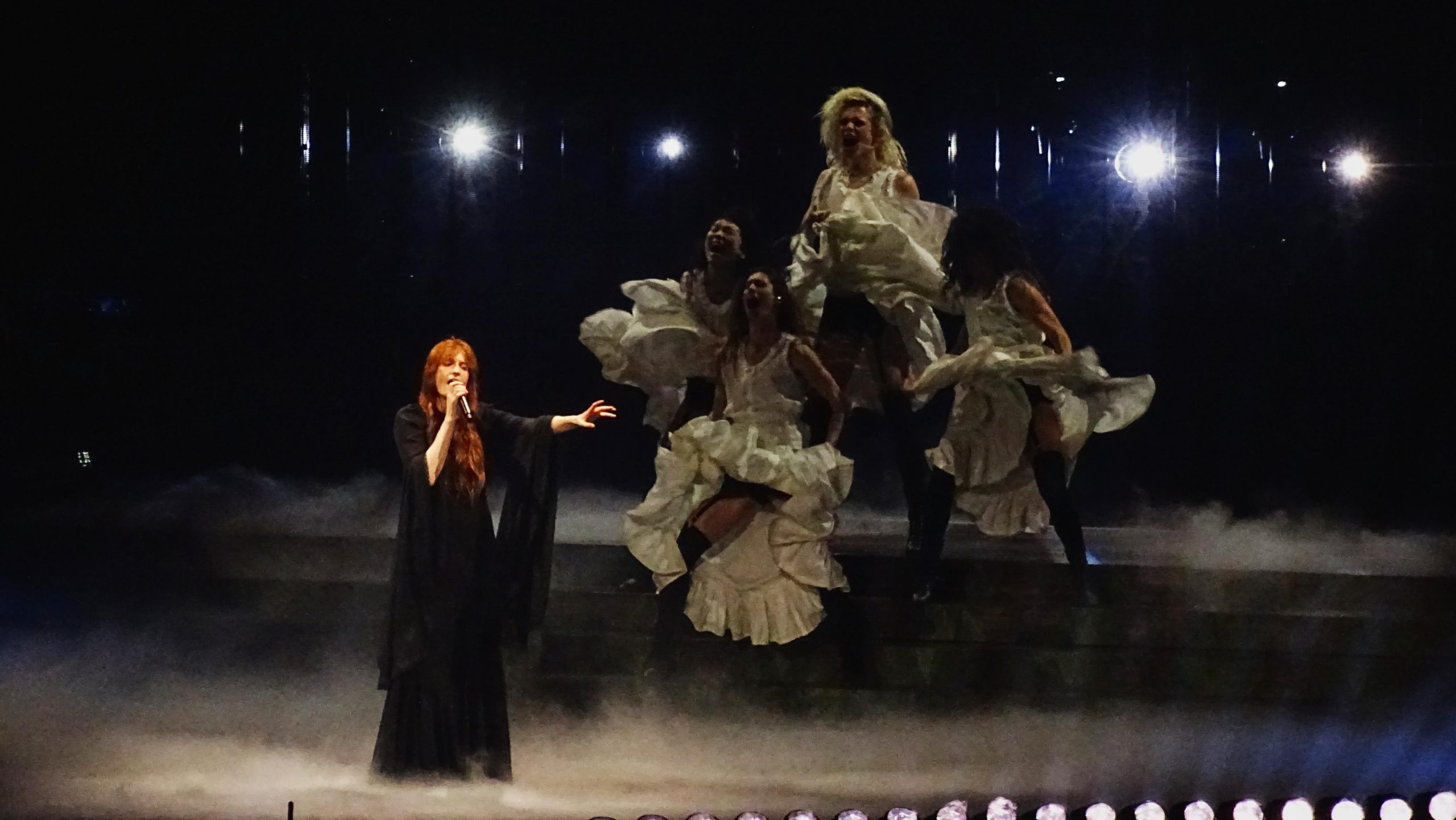
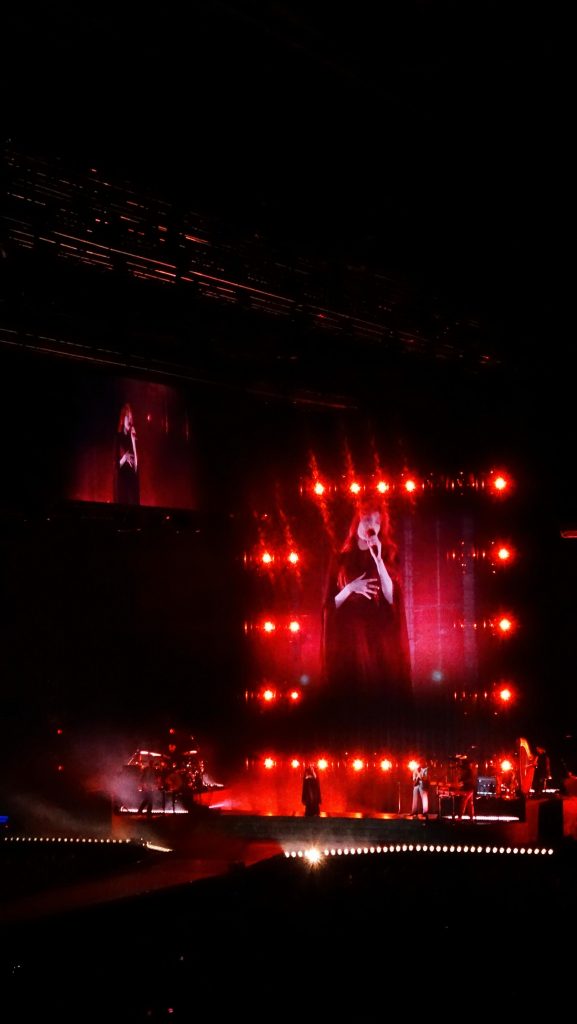
I went to see Florence + the Machine recently and, almost as an afterthought, slipped my old Sony HX60 into my pocket.
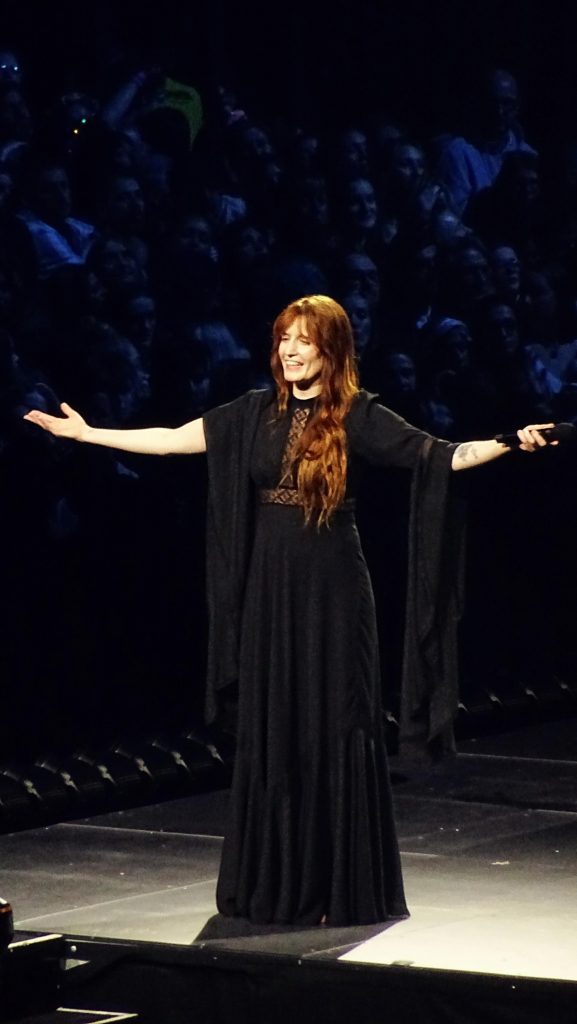
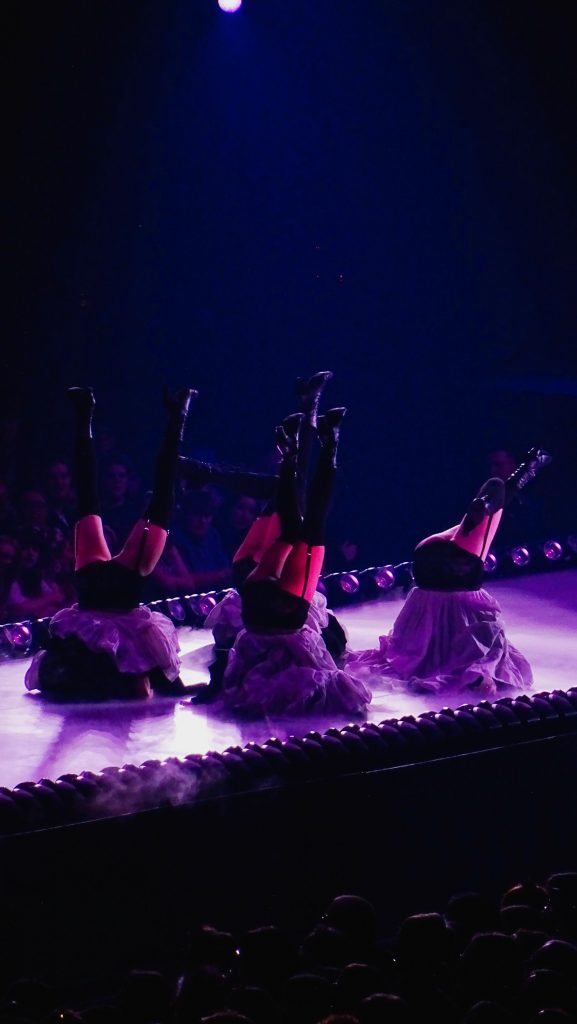
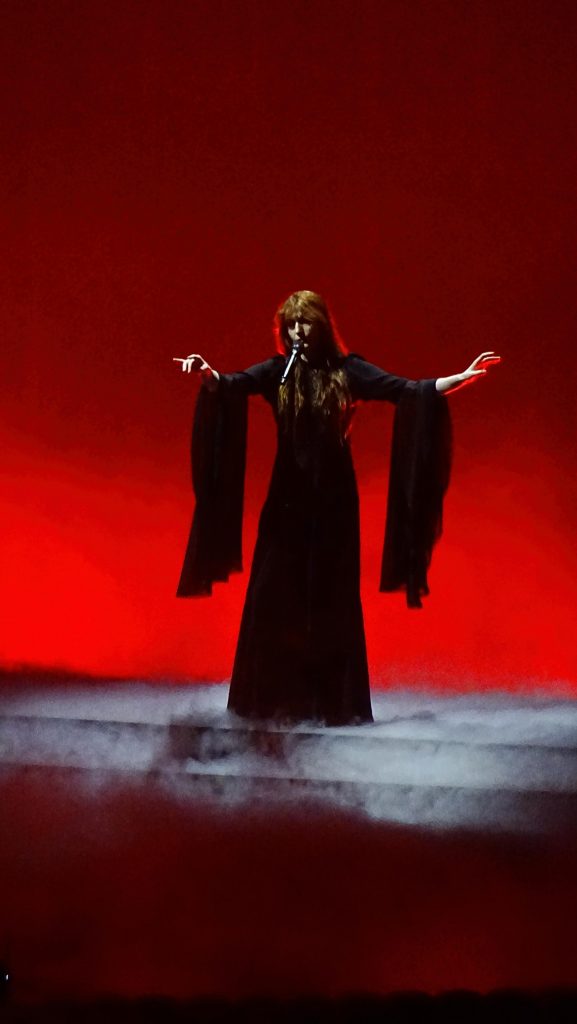
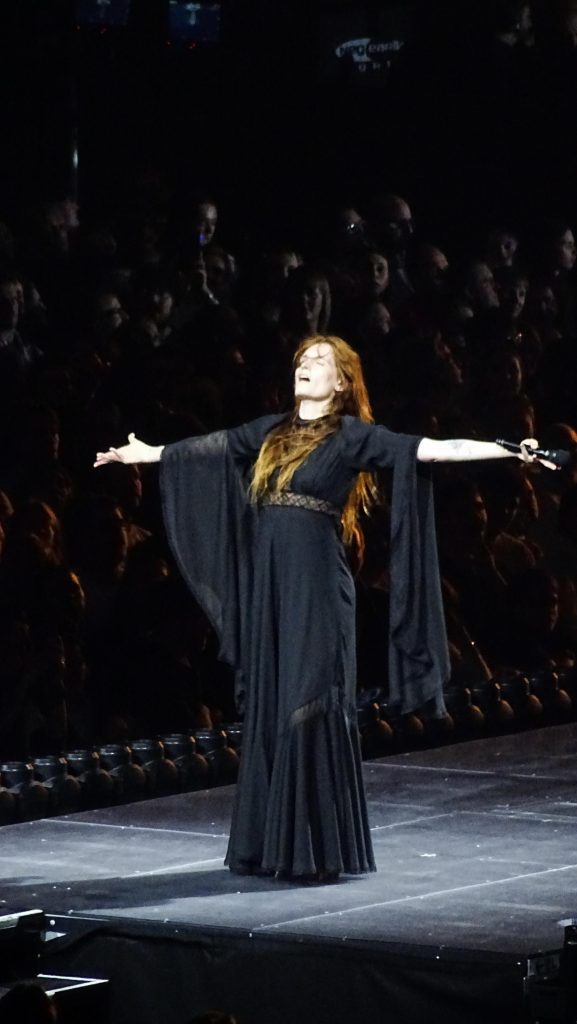
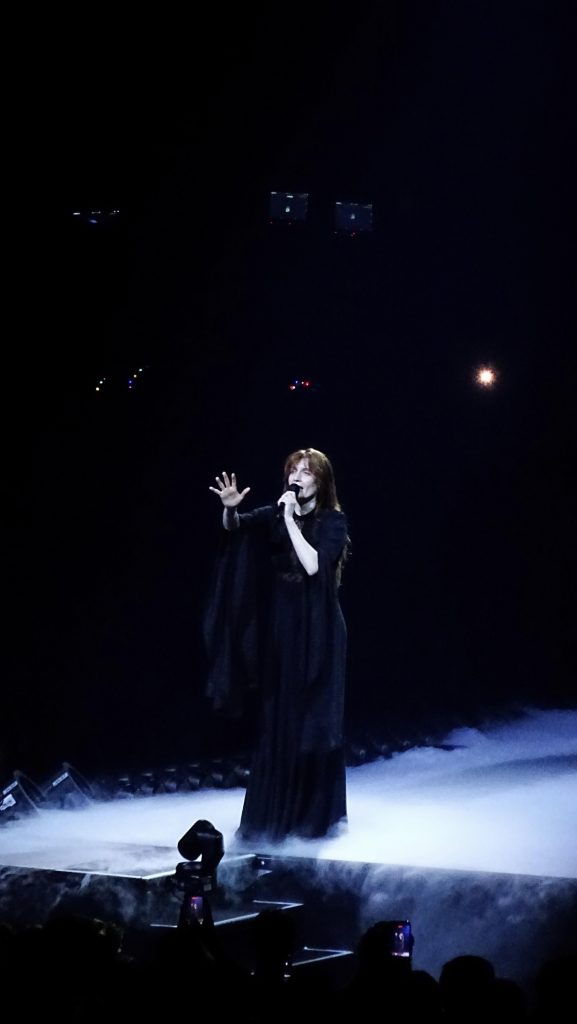
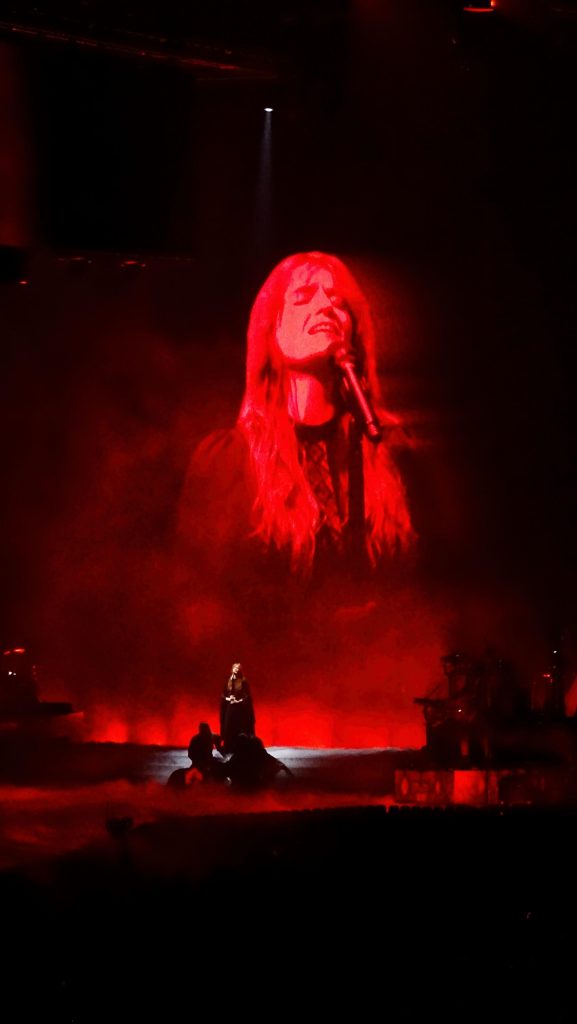
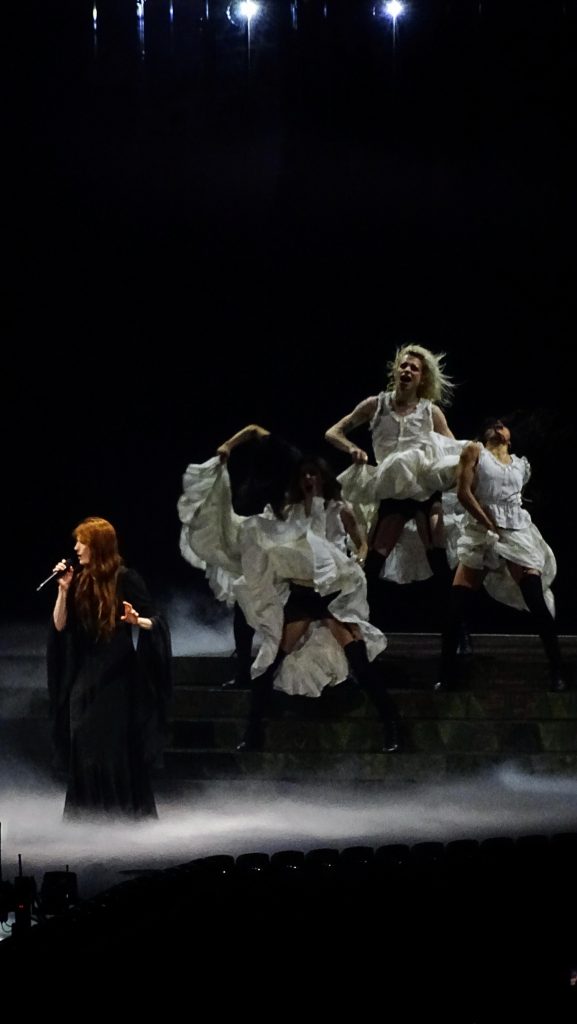
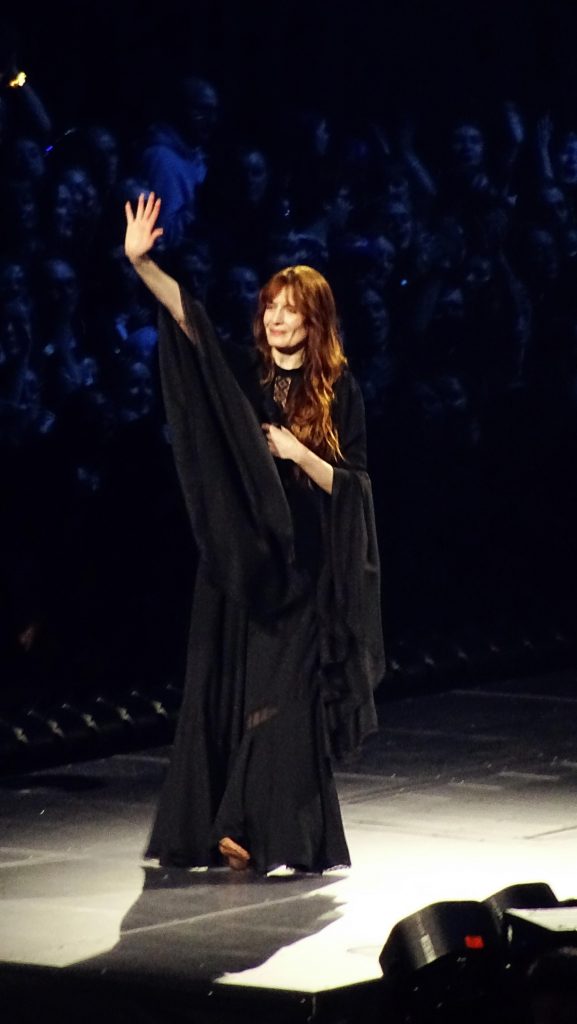
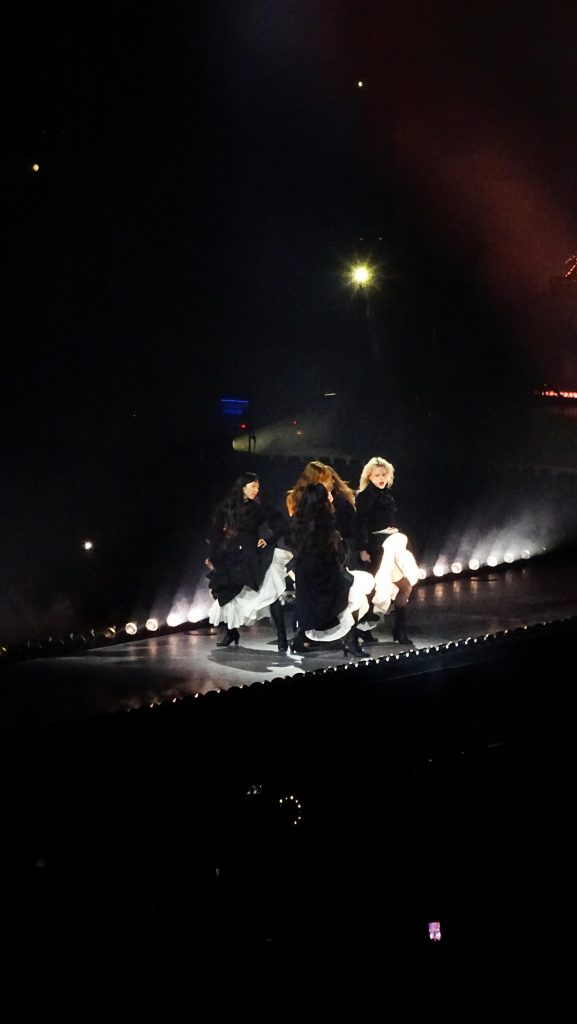
It’s not a camera I reach for often. It’s small, slow by modern standards, and its party trick is a 30× zoom rather than anything approaching “cinematic”. But it fits unnoticed into a venue, and that felt like reason enough.
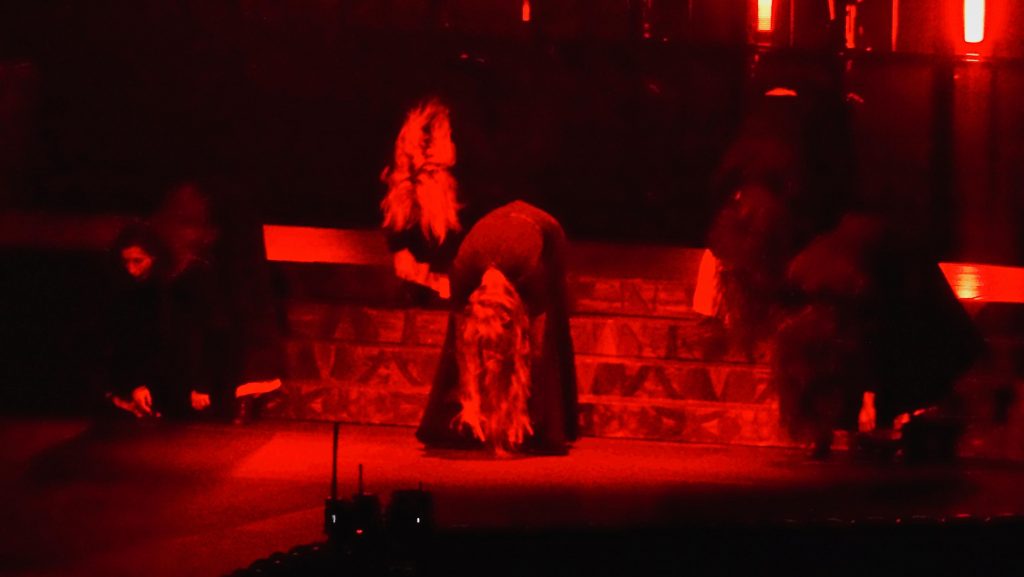
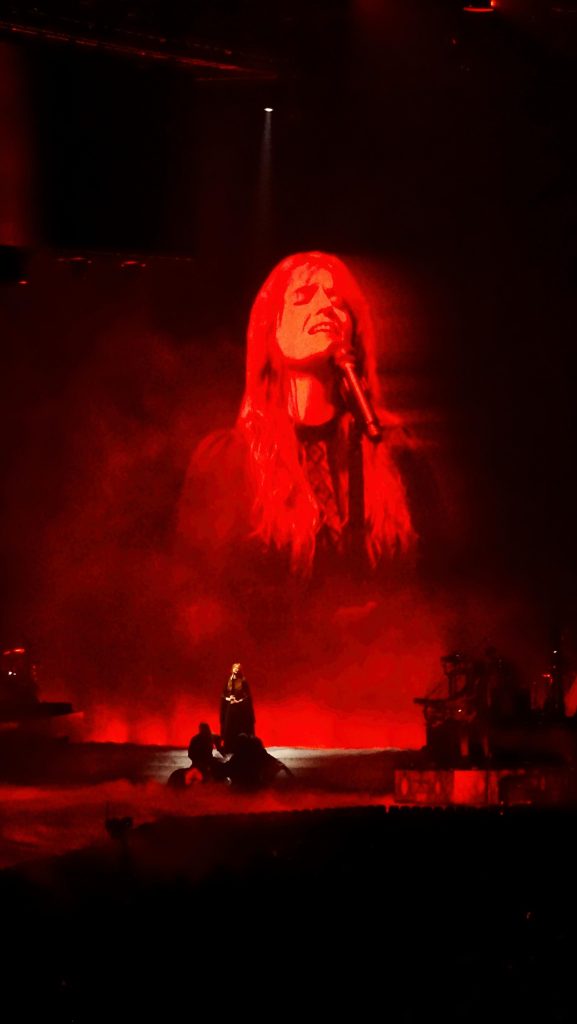
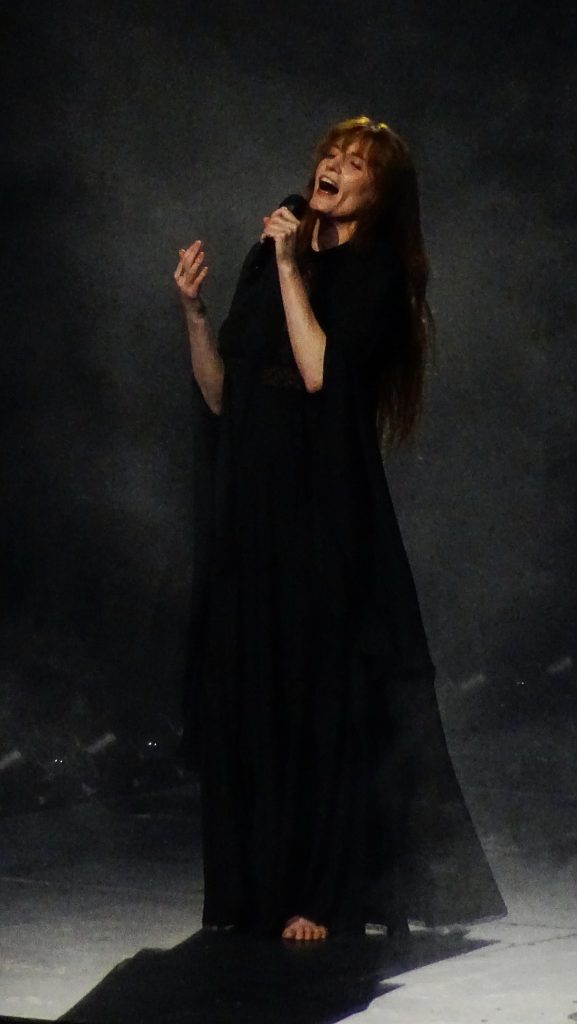
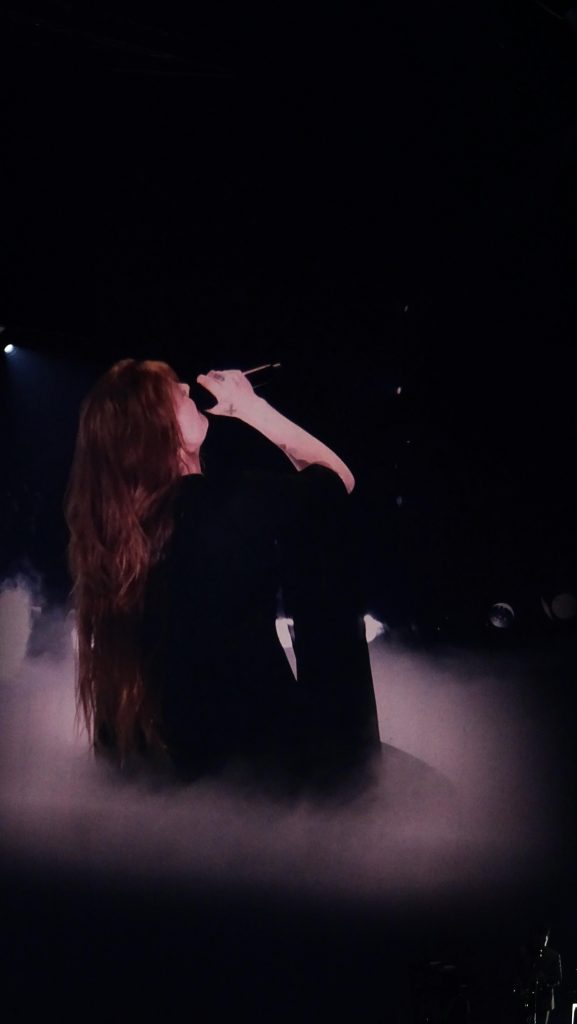
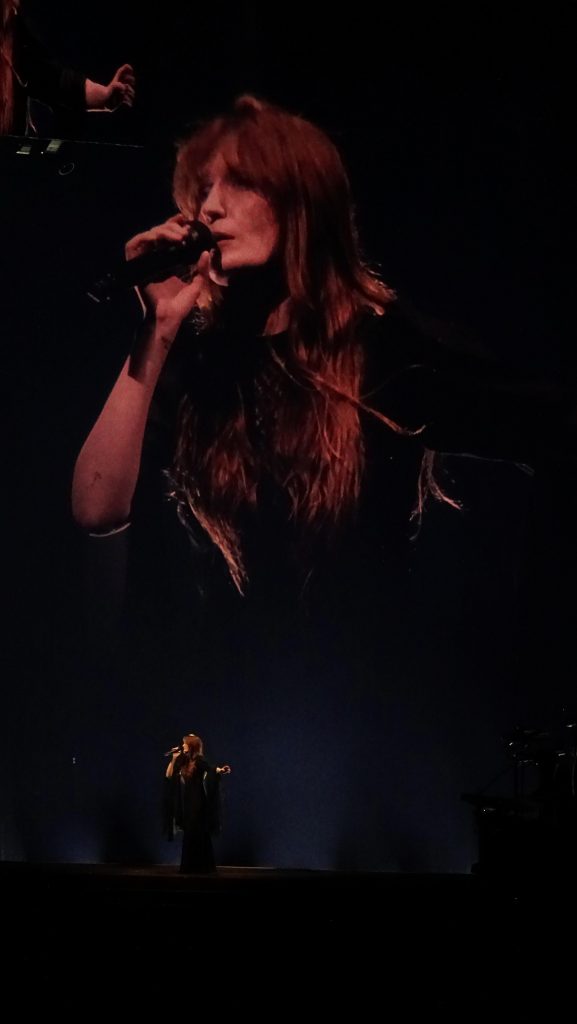
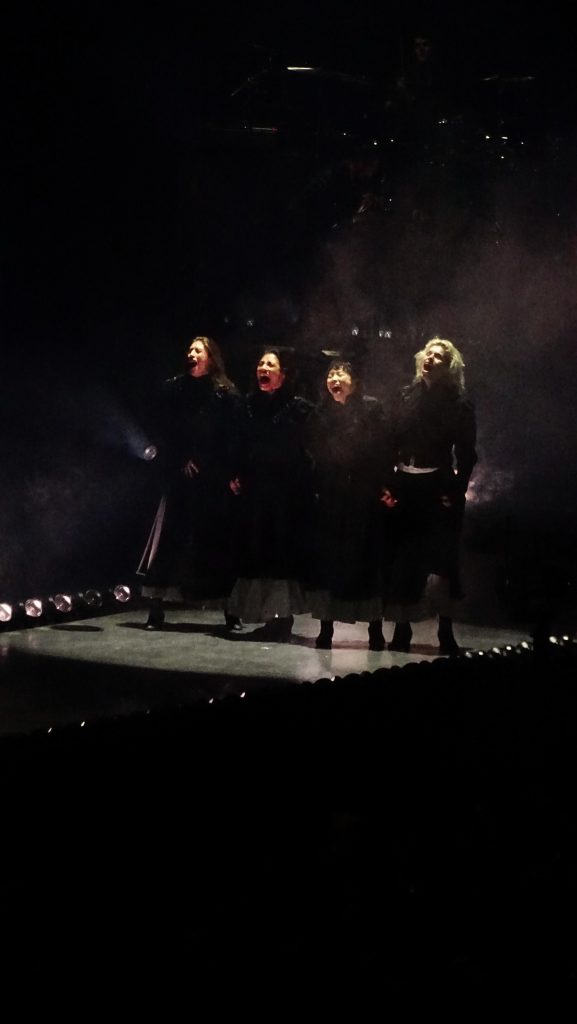
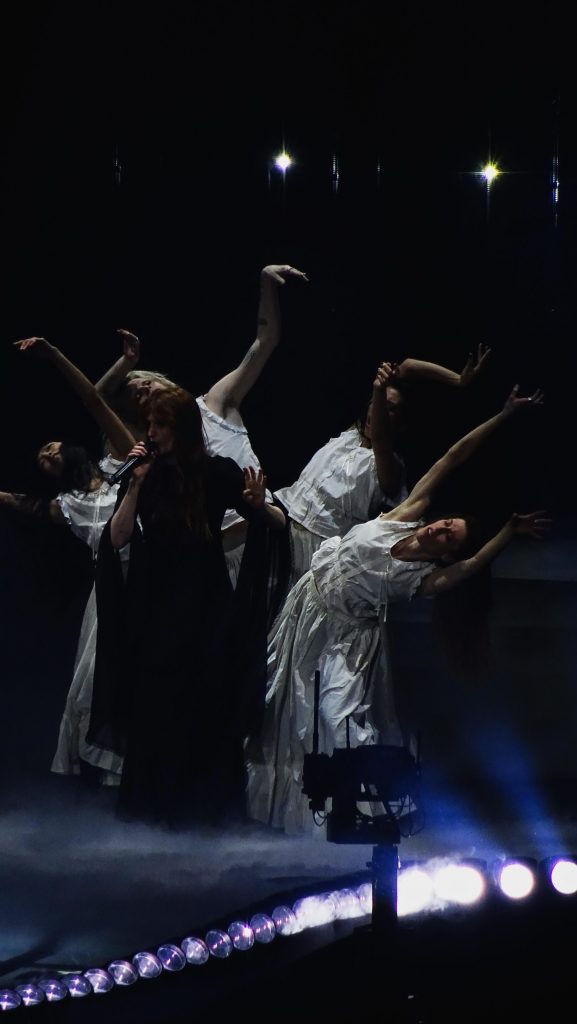
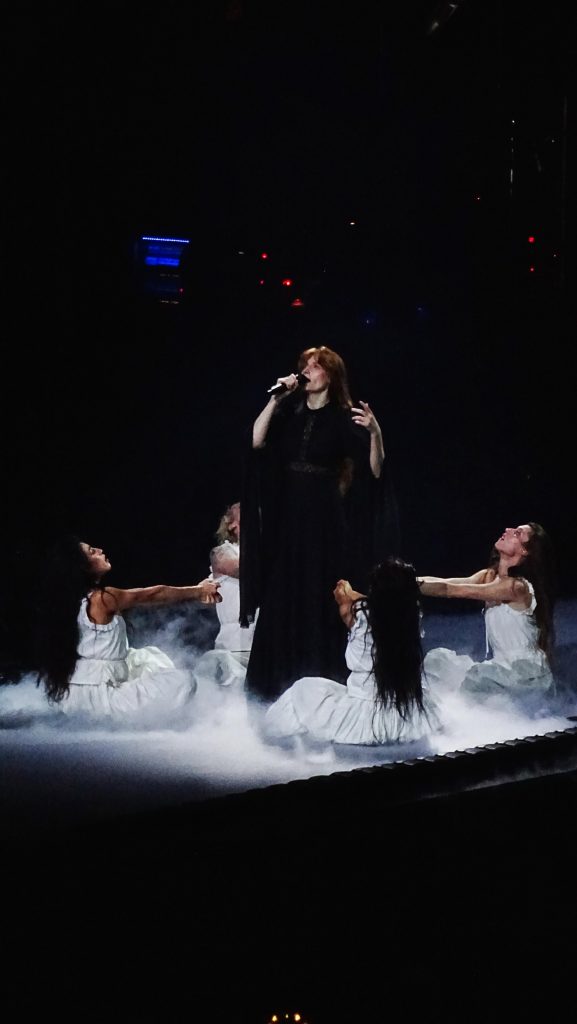
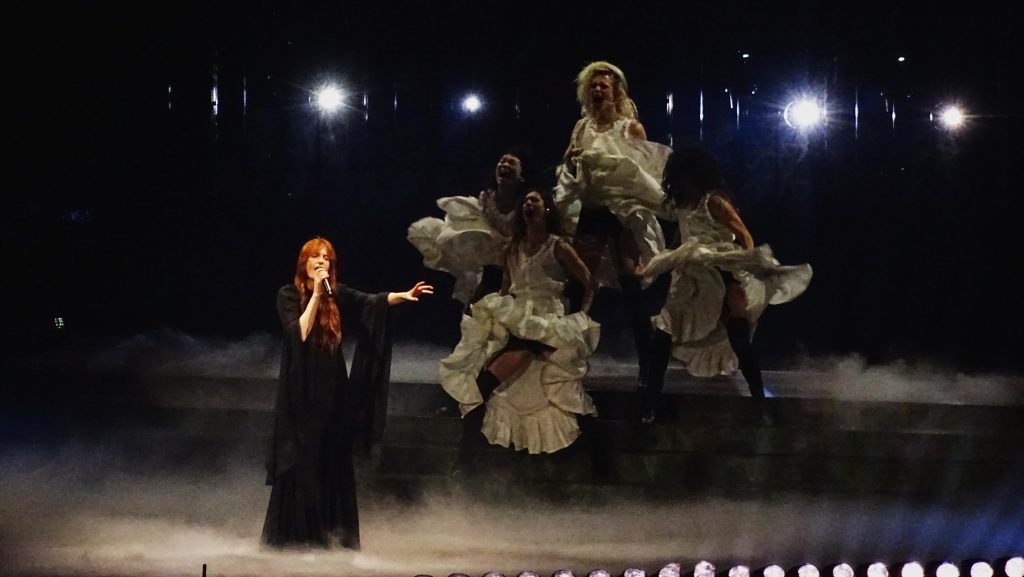
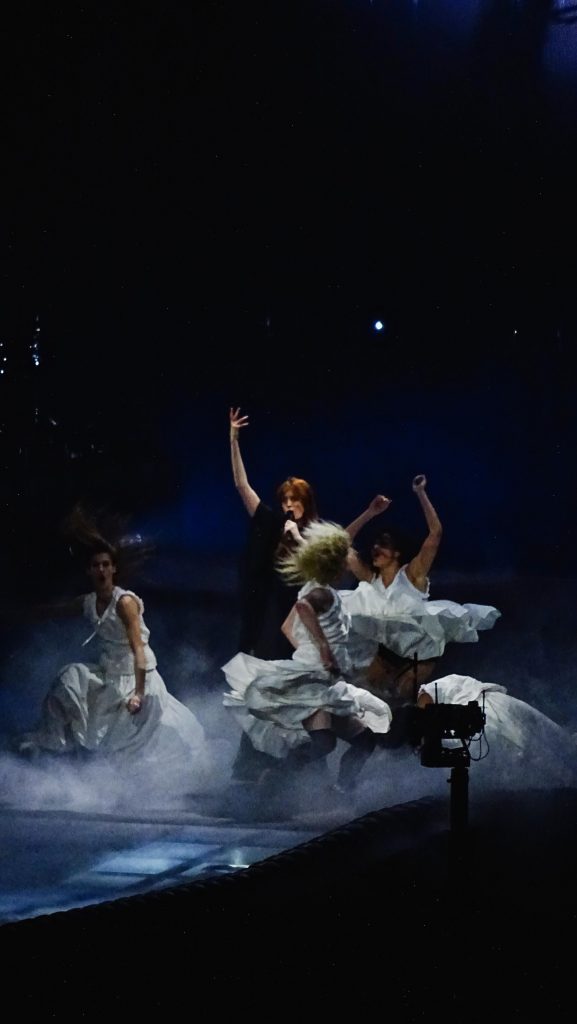
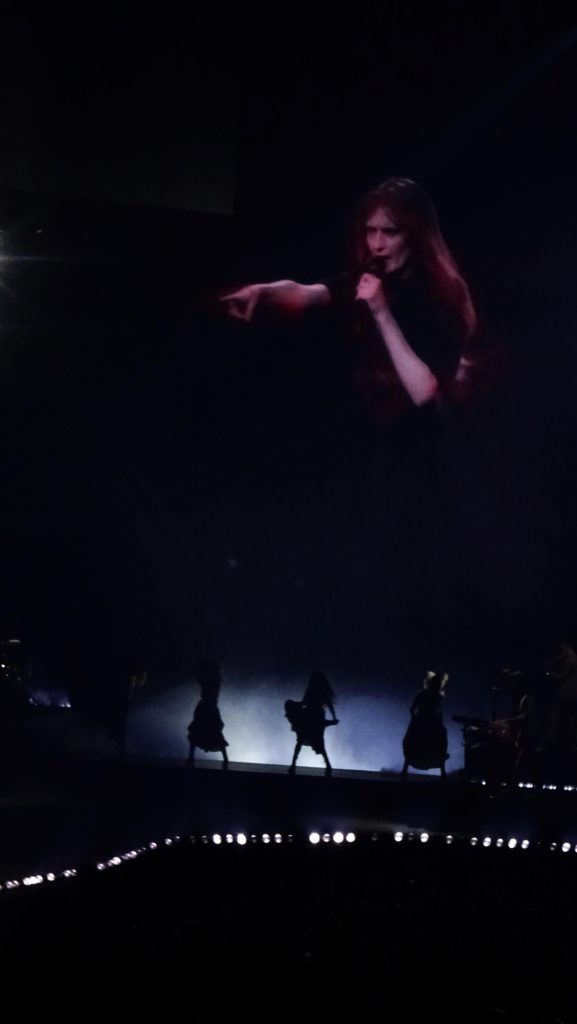
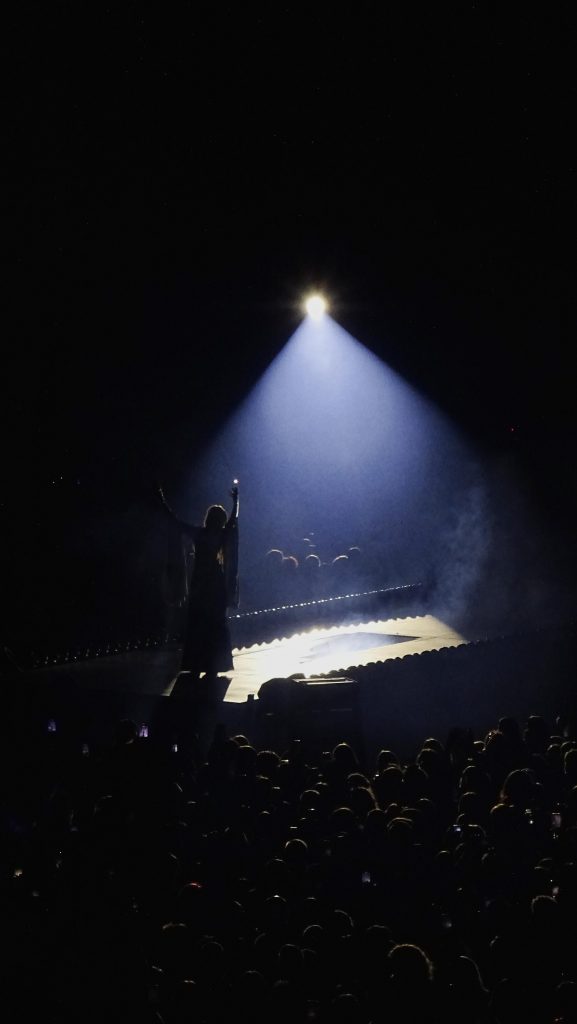
From the back of the room—far enough away that the stage felt more like an idea than a physical place—I started taking photos. Long focal lengths. Red light. Smoke. Movement. Everything that, on paper, should work against a small sensor compact.
And yet, when I got home and looked properly, the images held up.
Not technically perfect. Not clinically sharp. But expressive. Legible. Emotional.
Good photographs.
The benefit of using what you have
There’s an odd freedom in using a camera that you don’t expect too much from.
With the HX60, there was no temptation to chase perfection. No lens swapping. No second-guessing settings. I couldn’t “fix it later” because the files wouldn’t support that mindset anyway. Instead, I paid attention to timing, framing, and light—because those were the only real controls available to me.
The limitation simplified the problem.
At 30× zoom, camera shake becomes part of the equation. Low light demands patience. You wait for stillness. You shoot less. You accept that some frames won’t work. That constraint forces intent.
And intent shows up in the results more than megapixels ever will.
Good photos are good photos
There’s a persistent idea—especially in photography circles—that the quality of the image is inseparable from the quality of the gear. That better cameras make better work.
They don’t. They make different work.
What surprised me about these photos wasn’t that they rival modern full-frame files—they don’t—but that they didn’t need to. The mood was there. The energy of the performance translated. Florence, lit in red and smoke, felt present even when reduced to pixels from the back of the crowd.
A good photograph communicates something clearly. That’s it.
If it does that, the rest becomes secondary.
A reminder
This wasn’t a lesson I set out to learn. I didn’t go in with a manifesto about minimalism or anti-gear culture. I just used what I had, because it was available and convenient.
But the outcome was a reminder worth holding onto:
You don’t need ideal conditions to make meaningful images.
You don’t need permission, or perfect tools, or the right kit list.
You need attention, patience, and a reason to press the shutter.
Sometimes, the camera you already own is enough to prove that to yourself.
Leave a Reply